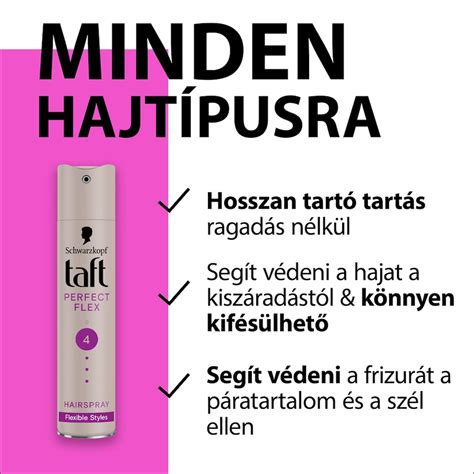
Semleges áttekintés a kozmetikai összetevőkről, köztük vízről, szilikonokról és emolliensekről, amelyek gyakran találhatók hajlakkokban és más szépészeti termékekben.
Good old water, aka H2O. The most common skincare ingredient of all. One more thing: the water used in cosmetics is purified and deionized (it means that almost all of the mineral ions inside it is removed).
Probably the most common silicone of all. As for skincare, it makes the skin silky smooth, creates a subtle gloss and forms a protective barrier (aka occlusive).
Also, works well to fill in fine lines and wrinkles and give skin a plump look (of course that is only temporary, but still, it's nice).
There are also scar treatment gels out there using dimethicone as their base ingredient. It helps to soften scars and increase their elasticity.
As for hair care, it is a non-volatile silicone meaning that it stays on the hair rather than evaporates from it and smoothes the hair like no other thing.
A so-called fatty alcohol that does all kinds of things in a skincare product: it makes your skin feel smooth and nice (emollient), helps to thicken up products and also helps water and oil to blend (emulsifier).
We don't have description for this ingredient yet.
A handy multi-tasker, white to light yellowish oil-loving wax that works very well in oil-in-water emulsions. It makes your skin feel nice and smooth (emollient), stabilizes oil-water mixes and gives body to them.
Oh, and one more thing: it's a so-called fatty alcohol - the good, emollient type of alcohol that is non-drying and non-irritating.
A nice little helper ingredient that can thicken up cosmetic products and create beautiful gel formulas. It's derived from cellulose, the major component of the cell wall of green plants.
A handy multi-functional helper ingredient that helps water and oil to mix (aka emulsifier), helps to thicken up a formula and boosts the effectiveness of traditional preservatives. It's one of those things that help your cosmetics not to go wrong too soon, aka a preservative. No matter the origin, in small amounts (up to 1%) it’s a nice, gentle preservative. Has to be combined with some other nice preservatives, like potassium sorbate to be broad spectrum enough.
Exactly what it sounds: nice smelling stuff put into cosmetic products so that the end product also smells nice.
If you are someone who likes to know what you put on your face then fragrance is not your best friend - there's no way to know what’s really in it. Also, if your skin is sensitive, fragrance is again not your best friend. It’s the number one cause of contact allergy to cosmetics.
We don't have description for this ingredient yet.
An extremely common multitasker ingredient that gives your skin a nice soft feel (emollient) and gives body to creams and lotions. It also helps to stabilize oil-water mixes (emulsions), though it does not function as an emulsifier in itself. It’s a so-called fatty alcohol, a mix of cetyl and stearyl alcohol, other two emollient fatty alcohols.
Though chemically speaking, it is alcohol (as in, it has an -OH group in its molecule), its properties are totally different from the properties of low molecular weight or drying alcohols such as denat. alcohol. Chemically speaking, it is the attachment of a glycerin molecule to the fatty acid called stearic acid. It can be produced from most vegetable oils (in oils three fatty acid molecules are attached to glycerin instead of just one like here) in a pretty simple, "green" process that is similar to soap making. It's readily biodegradable. It also occurs naturally in our body and is used as a food additive. As cosmetic chemist Colins writes it, "its safety really is beyond any doubt".
Citric acid comes from citrus fruits and is an AHA. But according to a comparative study done in 1995, citric acid has less skin improving magic properties than glycolic or lactic acid. We don't have description for this ingredient yet.
An abbreviation that pops up on a lot of ingredient lists. It stands for EthyleneDiamineTetraacetic Acid and it's a famous molecule for being an excellent chelating agent, i.e. a molecule that can bind to metal ions (coming usually from water) and make them harmless in a cosmetic formula. With a chelating agent, cosmetic formulas stay nice longer. EDTA is an acid molecule and its salt versions are even more often used, such as the super common Disodium EDTA.
An easy-to-formulate, commonly used, nice to have ingredient that’s also called pro-vitamin B5. Its main job in skincare products is to moisturise the skin. It’s a humectant meaning that it can help the skin to attract water and then hold onto it. Another great thing about panthenol is that it has anti-inflammatory and skin protecting abilities. A study shows that it can reduce the irritation caused by less-nice other ingredients (e.g. If that wasn’t enough panthenol is also useful in nail and hair care products. As for the hair the hydration effect is also true there. We don't have description for this ingredient yet.
A semi-essential amino acid meaning that enough has to be eaten from it so that the body does not use up essential amino acids (that our body cannot produce itself) to synthesize it. Normal (well kind of - it's purified and deionized) water. Usually the main solvent in cosmetic products. A very common silicone that gives both skin and hair a silky smooth feel. It also forms a protective barrier on the skin and fills in fine lines.
A fatty (the good, non-drying kind of) alcohol that makes your skin feel smooth and nice (emollient), helps to thicken up products and also helps water and oil to blend (emulsifier).
A nice little helper ingredient that can thicken up cosmetic products and create beautiful gel formulas. It's one of those things that help your cosmetics not to go wrong too soon, aka a preservative.
The generic term for nice smelling stuff put into cosmetic products so that the end product also smells nice.
An AHA that comes from citrus fruits. An abbreviation that pops up on a lot of ingredient lists. It stands for EthyleneDiamineTetraacetic Acid and it's a famous molecule for being an excellent chelating agent, i.e. Pro-Vitamin B5 is a goodie that moisturises the skin, has anti-inflammatory, skin protecting and wound healing properties. An amino acid that is important in regulating the immune defense and inflammatory processes in the body.